12-minute lineup audit
Dating-profile photo mistakes: a repair-order audit for men
A dating-photo mistake is not simply an unflattering frame. It is a photograph that makes your current identity, real life or intended profile role harder to understand. Diagnose that root problem before you crop, retouch or buy another set of photos.
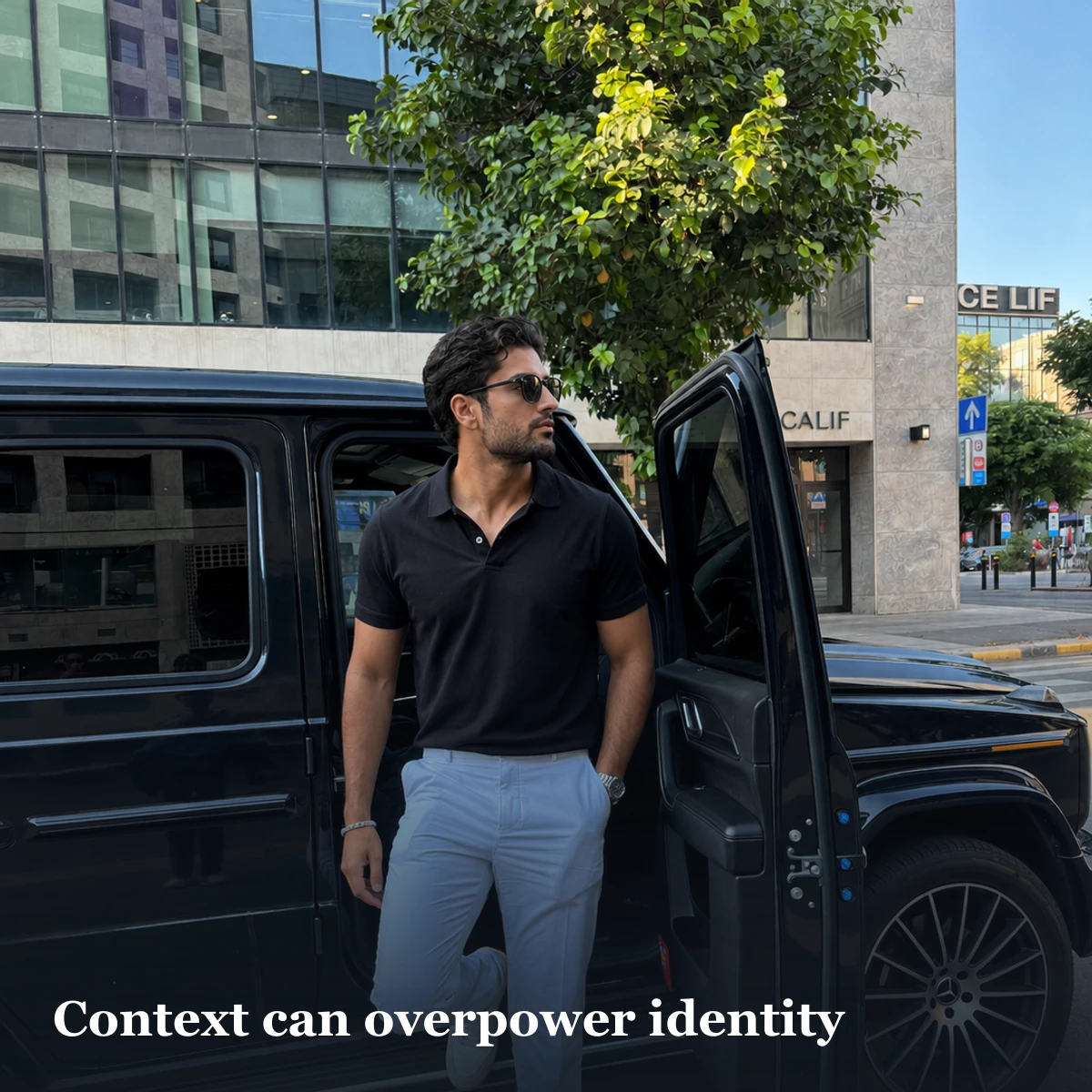
Keep, repair, move or replace?
- Truth and permissionA no here ends the audit for that frame.
- RecognitionA hidden or ambiguous face cannot lead.
- Unique roleRemove repetition before adding another file.
- Technical qualityRepair only after the underlying claim passes.
- PositionOrder the surviving set from identity to context.
The five failure classes
Most mistake lists mix serious trust problems with small technical defects. That encourages people to polish the wrong photograph. Classify each frame first.
| Failure | What you notice | First action |
|---|---|---|
| Identity blocker | The face is distant, hidden or ambiguous | Replace or move later |
| Truth or consent risk | Old appearance, invented context or unapproved people | Remove; do not retouch around it |
| Role collision | Two or more frames repeat the same information | Keep the clearer one |
| Technical defect | Honest moment, weak crop, exposure, colour or resolution | Repair from the original file |
| Position mismatch | Useful photo doing the wrong job, such as a group opener | Reorder after the set is complete |
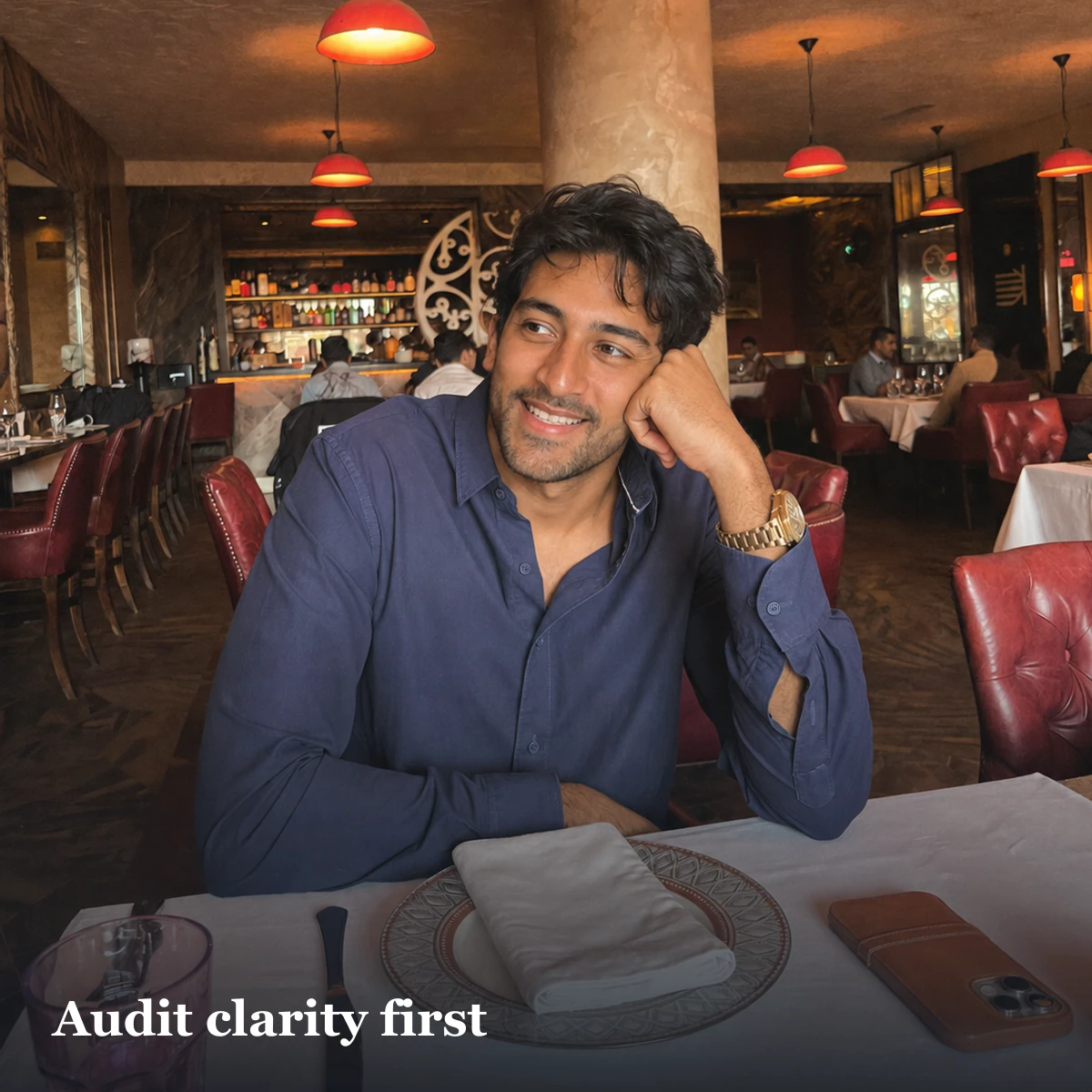
Run the whole-profile audit in twelve minutes
- Minutes 0–2, currentness and permission: write the capture month beside each frame; remove anyone whose public use is not agreed.
- Minutes 2–4, thumbnail recognition: view every image at phone-card size; flag any opener where the correct person or eyes are unclear.
- Minutes 4–6, role labels: assign one job to each image: identity, body context, everyday life, activity, community or occasion.
- Minutes 6–8, scene truth: ask whose pet, car, home or event appears and whether the implied story is accurate.
- Minutes 8–10, technical quality: inspect the original for focus, compression, harsh light, broken AI edges and unsafe crop margins.
- Minutes 10–12, order: put the clearest current solo identity first; use later positions to add genuinely different information.
At the end, every photo receives one label: keep, repair, move or replace. This is more useful than giving the whole profile one vague score.
Ten common mistakes, mapped to the right fix
| Mistake | Root failure | Fix |
|---|---|---|
| Group photo first | Identity blocker | Lead with a solo current face; use the group later only with consent |
| Sunglasses, helmet or heavy shadow in the opener | Identity blocker | Choose a frame with readable eyes and face |
| Several near-identical selfies | Role collision | Keep one useful frame and add distance, body or activity context |
| Old hair, beard, glasses or body | Truth risk | Replace it with how you look now |
| Borrowed pet, car or property presented as yours | Truth risk | Remove or caption truthfully where the app permits |
| Friend, ex or stranger shown without permission | Consent risk | Use another frame; blur is not retroactive permission |
| Heavy face, age, body or skin editing | Truth risk | Return to the accurate original or replace |
| Screenshot, message-app copy or destructive crop | Technical defect | Export again from the full-resolution original |
| No current full-body context | Missing role | Add one ordinary standing, walking or activity frame |
| Every photo staged in the same outfit and setting | Role collision | Replace repeats with real, distinct parts of your life |
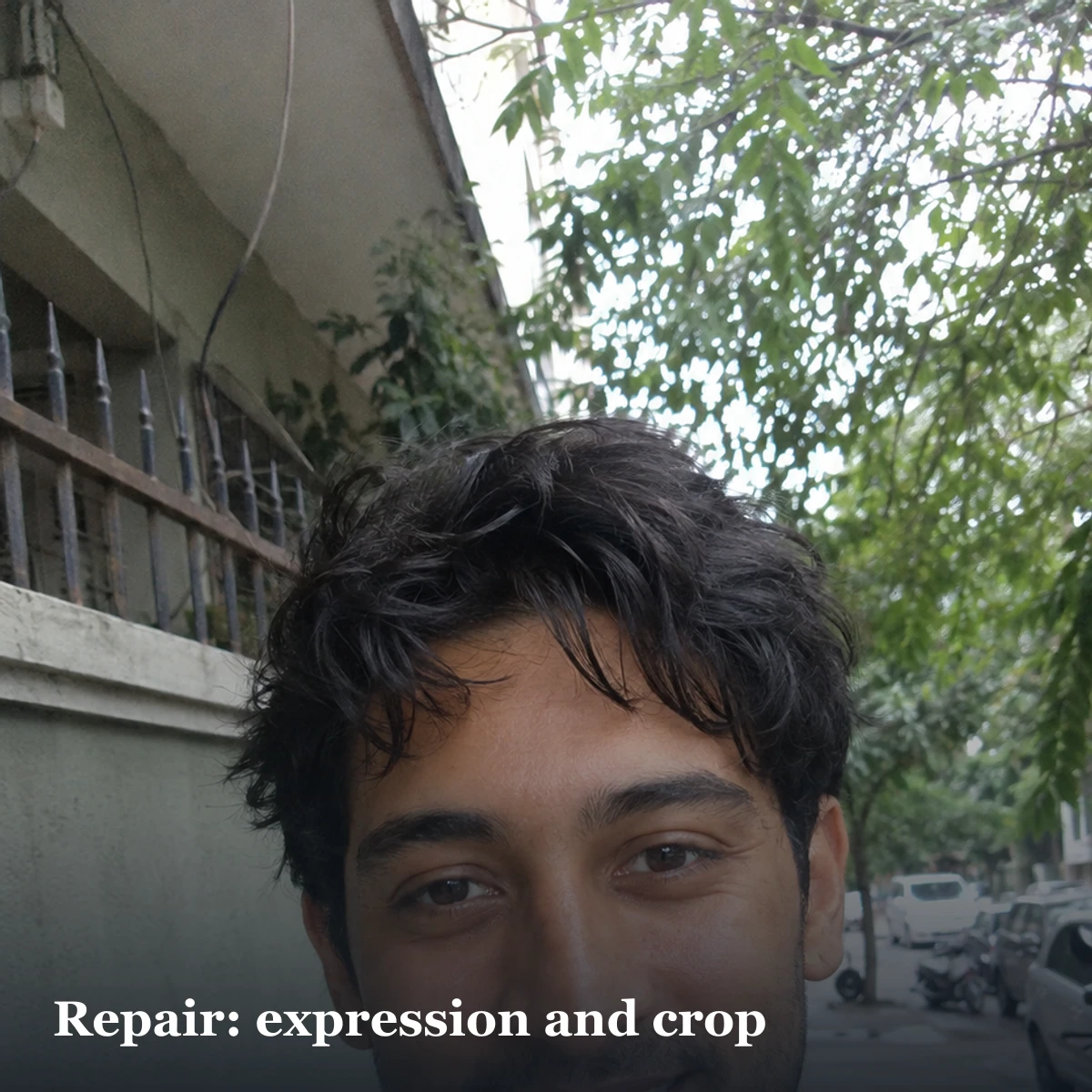
Repair the pixels; replace a broken claim
A repair is safe when the same truthful moment survives the edit. Straightening, modest exposure correction, white balance and a crop made from the original can improve readability. Rebuilding a jaw, changing apparent age, inventing a venue or turning somebody else's dog into your lifestyle changes the claim made by the picture. That needs replacement, not better retouching.
Generated or heavily enhanced images need the same test. Check hands, glasses, teeth, hair edges, reflections and background objects, but do not treat the absence of a visible glitch as proof of authenticity. A 2025 experiment with 831 American heterosexual online daters found below-chance AI-image detection in its task. It did not test Matchframe, Indian profiles, matches or dates.
What the apps actually say
Bumble's current photo-feedback page lists blurry images, mirror selfies, group openers, duplicates, sunglasses and limited solo variety among the advisory prompts it may show. Bumble also says this AI-assisted feature is being tested; it does not present the prompts as a published ranking formula. Its separate upload guide asks for clear, well-lit, lightly edited photos and varied, truthful interests.
Tinder's Community Guidelines require a real persona, consent for other people's images and no false or misleading public content. Hinge prohibits someone else's likeness, misleading AI content and material used without permission, and says profile content should be real, personal and current. These are trust and policy boundaries, not evidence that one checklist predicts dating outcomes.
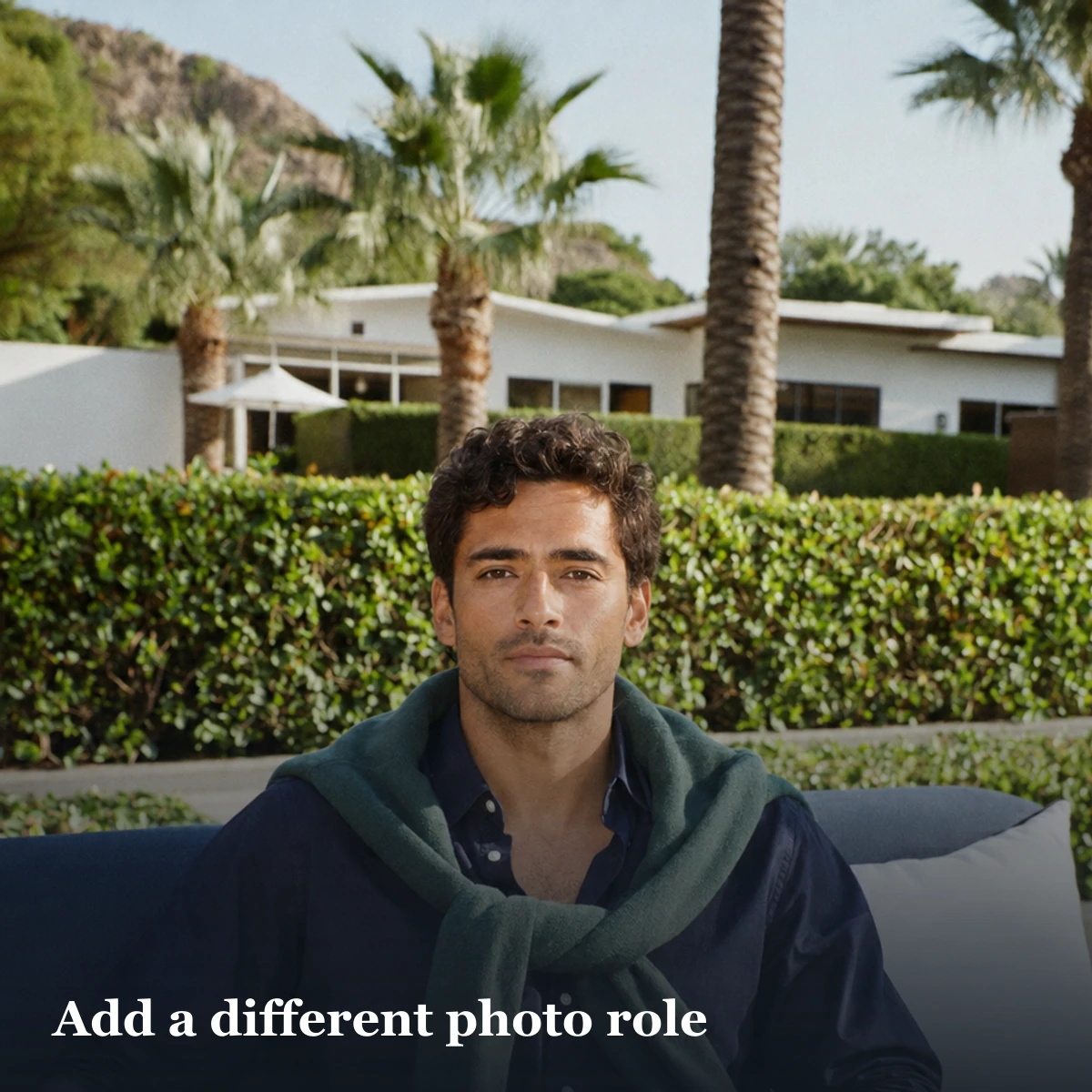
What research adds, and what it cannot prove
In a 2009 study of 54 heterosexual daters' profile photographs, independent judges rated about one third of the images as inaccurate. The small, old sample cannot estimate today's apps, but it explains why current likeness belongs near the start of an audit rather than after lighting and posing.
A 2025 study of 180 online daters and 196 judges found that participants wanted to be seen both accurately and positively, and could manage the persona they presented. That is a useful distinction: a profile may be intentionally polished without becoming false. The study does not validate this repair order or predict an individual swipe decision.
Change the smallest number of variables
Replace the first fatal failure, then review the complete set again. Do not call a short change in likes proof that the photo caused it: app visibility, activity, location, preferences, prompts and timing can move at the same time. If the profile is clear but results remain weak, use the no-matches diagnosis to separate visibility, profile and non-photo causes. For a repeatable private check, use the free photo audit; its six answers remain on the current browser page.
Run the audit as a sequence, not a makeover
Make a contact sheet with every current profile image at equal size. Label each frame with one role: identity, body context, everyday life, activity, community or occasion. Duplicate labels reveal where the set is wasting space. Next, write the capture month beside each image. A technically good photograph can still fail because it prepares someone for an appearance you no longer have.
Repair only reversible presentation problems. Straightening, exposure, white balance and a modest crop can preserve the moment. Face reshaping, skin-tone shifts, body changes and invented objects create a new claim about the person or scene. When the truth problem is inside the photograph, replacement is the repair.
A worked six-photo triage
Suppose a set contains three mirror selfies, an old wedding photograph, a distant trekking image and a clear current portrait. Keep the portrait. Keep the trek only if the face is readable and the trip is real. Remove two duplicate selfies, replace the remaining selfie with a rear-camera full-body frame, and replace the outdated wedding photograph with a current dressed image. That produces more information without pretending the profile needs an entirely different person.
Sources and method
- Bumble: Providing feedback on your photos, updated 8 September 2026 and checked 9 September 2026.
- Bumble's profile-upload guidance, updated 7 September 2026; checked 9 September 2026.
- Tinder Community Guidelines, checked 4 September 2026.
- Hinge: Prohibited Content and Behavior, updated 29 June 2026 and checked 4 September 2026.
- Hancock and Toma: accuracy of online-dating photographs, 54-photo study; its age and sample limit generalisation.
- Ranzini and colleagues: visual deception in online dating, 2025 experiment; not a dating-outcome study.
- Jiwa, Elsaadawy and Carlson: accuracy and self-presentation, 2025 profile-judgment study; not a photo-ranking formula.
Matchframe's five-class model and twelve-minute sequence are an editorial audit created from the cited evidence and current app guidance. They have not been validated as a prediction of likes, matches, conversations, dates or relationships. See the editorial method.
Frequently asked questions
What is the biggest dating-profile photo mistake?
A photo that misrepresents your current identity, scene or permission is more serious than a small lighting or crop defect. Replace truth failures before polishing the set.
Which dating photos can be repaired?
Repair an honest, current photograph when only crop, exposure, colour or file quality is weak. Replace it when identity, recency, consent or scene truth fails.
Are selfies always bad on dating apps?
No. A clear current selfie can identify you, but several near-identical selfies repeat one role and leave body or lifestyle context unanswered.
Should a group photo be deleted?
Not automatically. Move it after a clear solo opener and keep it only when you are easy to identify, the scene adds real information and everyone shown agreed to public dating-profile use.
Should I replace every photo at once?
Usually not. Fix the first fatal failure, review the complete set again, and avoid interpreting a short-term result change as proof that one photo caused it.
Can an AI detector prove a dating photo is real?
No. Current research shows people can struggle to distinguish real and generated profile images. Check current likeness, scene truth and consent instead of relying only on visual glitches.
Replace the missing photo roles
Build a varied one-time photo pack, then keep only the results that are current and believable.
Open MatchframeAlso worth reading
- How many dating-profile photos do you need?
A role-based answer with current app requirements - Should men smile in dating photos?
A practical expression matrix without fake statistics - Group photos on dating apps
Consent, placement and privacy rules - Should men use shirtless dating-app photos?
A policy, privacy, context and intention test