Authenticity & policy
Are AI dating photos catfishing? The honest line is recognition.
Policies checked 31 August 2026 · by Jay Patel · Editorial method
An AI dating photo becomes catfishing when it misrepresents who you are or is used to deceive. Current Bumble and Hinge rules focus on deception and misleading identity; Tinder makes members responsible for the accuracy of AI-generated or AI-enhanced content. None publishes blanket approval for every generated dating photo.

Three different uses that should not be confused
- Selection: AI chooses stronger photographs already in your camera roll.
- Enhancement: software changes light, crop, sharpness or other details in an existing photo.
- Generation: a system creates a new photograph of you in a new composition or setting.
Each step adds more room for useful improvement and more room for misrepresentation. The duty does not change: the face, body, age and implied life should still be yours.
What the apps actually say
Bumble
Bumble's inauthentic-profile guideline prohibits using someone else's photos, artificially generated photos or enhanced photos to deceive others. It also prohibits images distorted so heavily that the member cannot clearly be identified. The wording focuses on deception and accurate representation, not on a blanket permission for every generated photograph.
Hinge
Hinge's prohibited-content guidance, updated in June 2026, says users must not use fake identities or AI-generated content to mislead others, and must not post someone else's likeness without permission.
Tinder
Tinder's terms make each member responsible for AI-generated or AI-enhanced content and its accuracy. Tinder's Face Check also asks for a live video selfie that is not digitally altered or manipulated and compares it with profile photos. That is an identity check, not blanket approval of generated images.
Does a verification badge approve every profile photo?
No. Verification can help an app compare a live person with profile images. It does not prove that a pictured trip, pet, possession, body change or activity is truthful. Treat identity verification and honest context as separate tests.
Can you safely try to “beat” an AI-photo detector?
No. The public policies linked here do not describe a universal detector whose result grants permission to post. Build for recognition and truthful context, not for evading moderation. An app can still review, remove or reject content under its current rules.
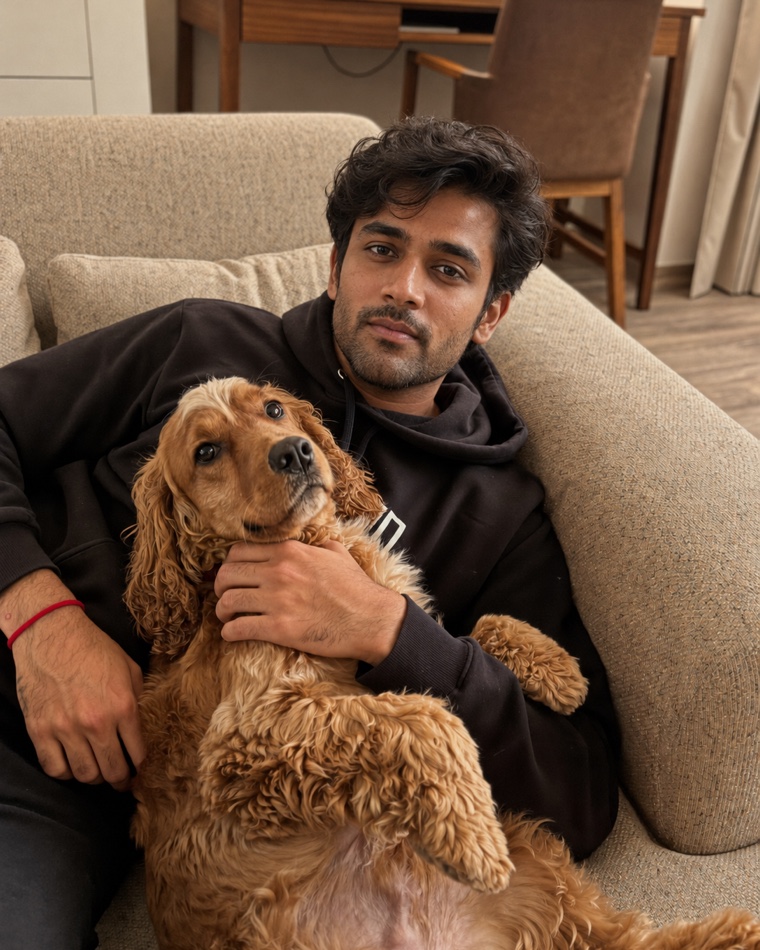
The Matchframe recognition rubric
Use this editorial screen before posting any generated image. It is a disclosed decision aid, not a scientifically validated recognition score.
| Check | Pass | Reject |
|---|---|---|
| Face | Someone who knows you recognises you immediately | Identity drift, reshaped features or a different-looking smile |
| Age and body | Current age and normal proportions | Materially younger, leaner, taller or more muscular |
| Set consistency | All posted photos look like one current person | Face, hair, skin tone or body changes across the set |
| Context | The setting and activity are plausible for your life | A false pet, property, achievement, trip or lifestyle claim |
| Disclosure | You can answer honestly when asked how it was made | You would need to hide or deny the generation |
Matchframe will publish measured pass rates only after a permissioned, multi-person benchmark exists. Until then, this rubric must not be presented as independent evidence that a photo is recognisable.
A 60-second first-date test
- View the photo at normal dating-app size, not zoomed in.
- Compare it with one unedited photograph from this month.
- Check face shape, skin tone, hair, body and apparent age.
- Ask whether the location, activity and possessions imply anything untrue.
- Remove the image if you would worry that a match will feel surprised in person.
A realistic render of an untrue life is still misleading.

How Matchframe draws the line
Matchframe is designed to change the photograph, not the person: framing, light, styling and setting can change; face, jaw, body and skin should not. Every customer set is built from one private identity trained on 15–40 current source photographs. Customers choose which results they would genuinely post. Matchframe does not currently claim an independent recognition score or a human-review certification, and it cannot guarantee that a dating app will accept an image. Read the current privacy policy for retention and deletion terms.
See how that standard is applied in the complete AI dating-photo product guide.
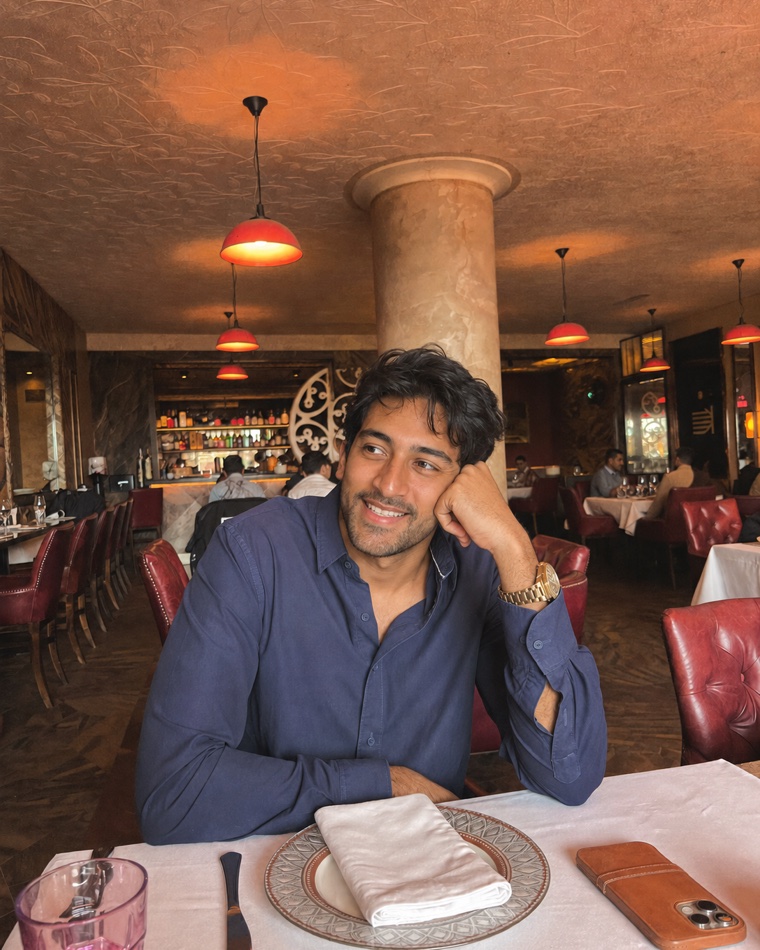
Official app sources
- Bumble: Inauthentic Profiles, checked 31 August 2026.
- Hinge: Prohibited Content & Behavior, updated 29 June 2026 and checked 31 August 2026.
- Tinder Terms of Use, checked 10 September 2026.
- Tinder Face Check FAQ, checked 31 August 2026.
Frequently asked questions
Are AI dating photos catfishing?
They become catfishing when they materially misrepresent identity, body, age or life, or are used to deceive. Generation alone does not answer whether a specific image is truthful.
Do Tinder, Hinge and Bumble allow AI photos?
Their public rules focus on accuracy, deception and recognisable identity rather than giving blanket approval to every generated image. Check the current linked policies before posting.
How can I test whether an AI dating photo is authentic?
Compare it with a current unedited photo and check immediate recognition, apparent age, body, skin tone, consistency across the set and whether the context implies anything false.
Better photographed. Still recognisably you.
Matchframe trains one private identity from a complete current source set. You decide which results remain truthful enough to post.
Open MatchframeAlso worth reading
- AI dating photos vs a photographer in India
Cost, effort, realism and when each choice is better - AI dating photo apps in India: what they cost in rupees
Prices compared, plus the forex fees nobody lists - A HeadshotPro alternative for India
Headshots against dating photos, compared honestly - Take dating profile photos alone
Phone setup, camera test and a controlled 32-frame plan